


Therapy for Scrupulosity & Religious OCD.
Find freedom in grace.
Does this sound familiar?
What does scrupulosity or Religious OCD feel like?
-
You repeat or restart specific prayers because a nagging voice insists it wasn’t done properly.
You force yourself to attend religious services and feel overwhelming guilt and fear when you are unable to do so.
You confess everything that could possibly be perceived as wrong
You obsess over finding the exact right words to pray or perfect scripture to read.
-
You experience disturbing or sacrilegious thoughts about God that feel involuntary and deeply upsetting.
You constantly question whether you deserve salvation, grace or forgiveness from God.
You need constant validation and reassurance that your religious beliefs are true.
You feel anxious, guilty and spiritually exhausted from trying to please God every day.
-
You live in paralyzing fear about the afterlife and being doomed to hell.
You are overly focused on morals and live in fear that you have inadvertently sinned or offended God.
You assume full blame for every misstep and seek to punish yourself with fasting, repeated prayers and other acts of worship.
-
You have irrational suspicions about your spouse and doubt their moral standards without any evidence.
You obsess on other’s behaviors and feel responsible for their access to heaven.
You feel like your partner deserves someone more Christ-like.

Imagine if…
You practiced your beliefs with peace rather than anxiety.
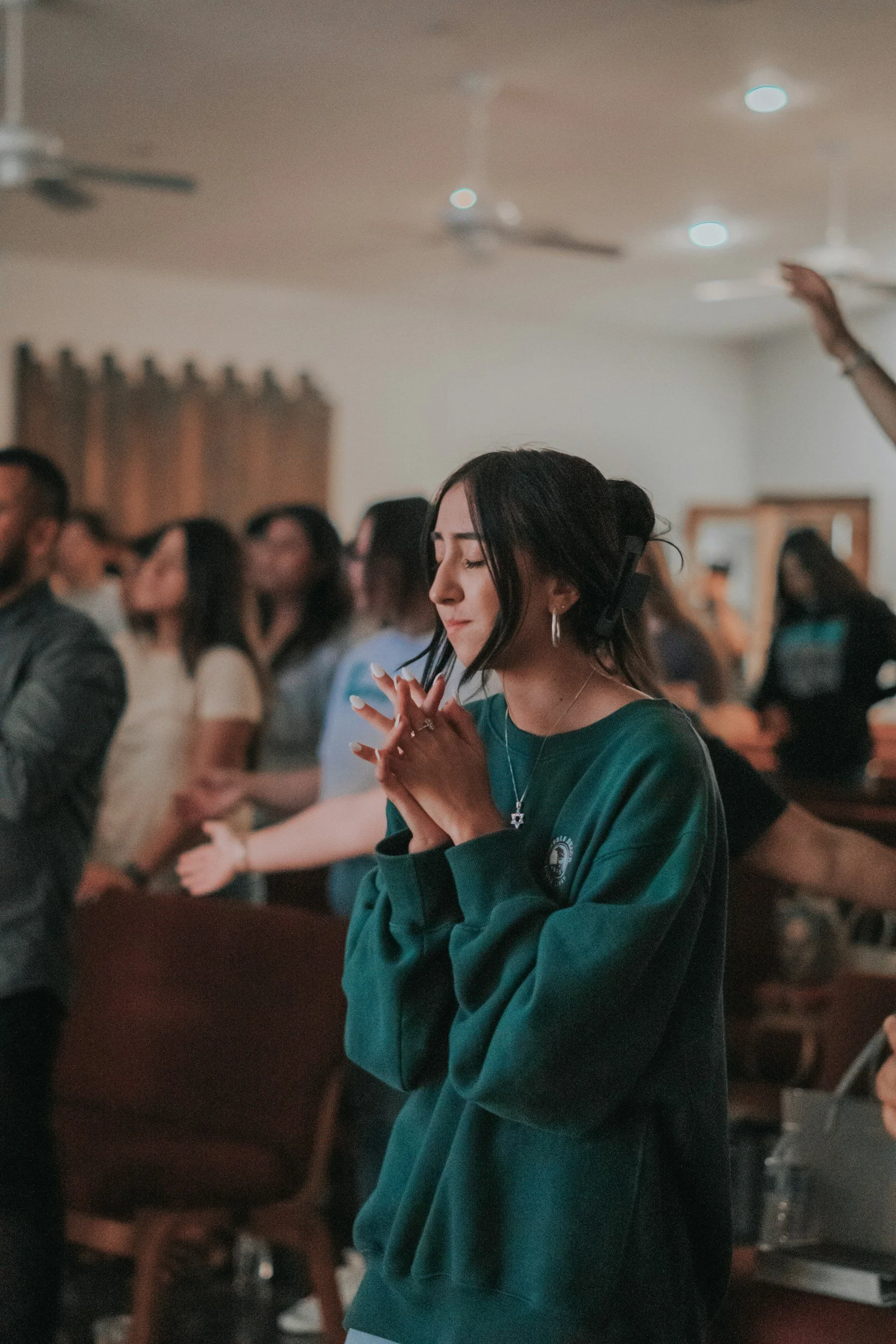
You learned to replace the intrusive thoughts with spiritual truth.

You spent less time stuck ruminating and more time in joy.
Therapy can help you get there.
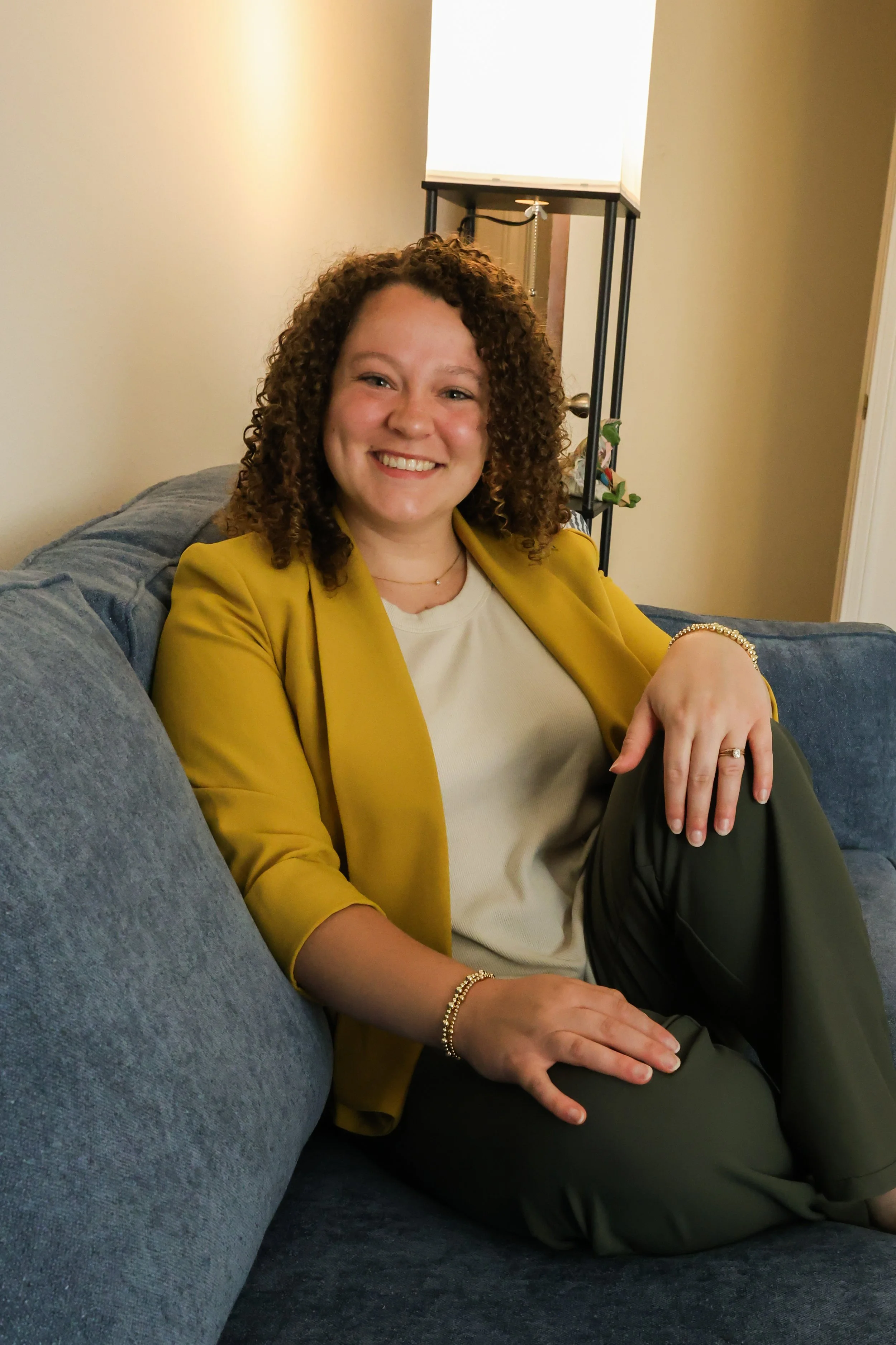
Therapists who specialize in Religious OCD/ Scrupulosity
Availability: Accepting New Clients
We will work together to help you see the grace and love God has for you while setting realistic and healthy goals that will point you back to Christ.
Kandis

Frequently asked questions about therapy for scrupulosity.
FAQs
-
Scrupulosity or Religious OCD is a form of Obsessive Compulsive Disorder in which intrusive thoughts focus on morality and repentance and lead to compulsions in order to relieve that anxiety.
-
Do you live in fear that you have sinned or offended your higher power, even when there is no evidence to back that up? Do you find yourself consumed by these thoughts with little control over them? Do you engage in compulsive behaviors in order to relieve this guilt (excessive prayer to “make it right”, constant confession or repeating specific texts to fulfill obligations). If these sound familiar, you may be suffering from Religious OCD.
-
Scrupulosity is intrusions that disproportionately emphasize sin. Faith is having a healthy fear of the Lord, while remembering perfection is not the goal. The goal is for us to live “so that all may know from the rising of the sun to its setting that there is no one but Me. I am Yahweh, and there is no other” (Isaiah 45:6).
-
I treat Scrupulosity with a mix of Acceptance and Commitment Therapy along with Self-Compassion therapy.
The “gold standard” treatment for OCD therapy is Exposure Response Therapy, however I would never ask you to go intentionally sin. Instead, we will work together to help you uncover the love God has for you and set healthy goals grounded in Christian ideals.
-
We begin with once a week sessions to help identify your obsessions and compulsion. Then we work to get to a place where you are able to accept the obsession for what they are by observing thought without acting on them. Then we will work to speak truth to yourself, not the obsession, and walk in the truth of scripture.
-
Every person’s journey is different. Some people feel relief after a few sessions, while others need more time to make meaningful change. Religious OCD/Scrupulosity therapy focuses on facing your intrusions with grace and love. We will aim for steady progress rather than quick fixes, helping you build skills that last.
-
We can discuss medication if you want to — many clients find therapy helpful alongside medication, while others begin with therapy alone.
I am not licensed to prescribe medication, but I can help you find someone else who can.
-
You do not have to be 100% confident for therapy to help. Sometimes healing begins with simply being willing to try. Therapy for Religious OCD is not about taking God away from you. It’s about helping you separate God’s voice from the noise of anxiety and compulsions. Healing does not mean you’ll stop caring about your faith. It means you may finally experience faith without being controlled by fear.
-
Your first therapy session is all about getting to know you. We will talk about your history, symptoms, current challenges and your treatment goals. It’s a safe, confidential space to share your story, ask questions and begin a personalized plan towards meaningful change.
-
I have found it to be more helpful for clients to practice the techniques we talk about in therapy throughout the week to lower the amount of anxiety you have due to your compulsions. However, we go at your pace. If you do not have a lot of time in the week we may skip that week or just have you work on learning to notice how anxiety is showing up for you.
-
I firmly believe that God gave us Doctors to help us live longer and healthier lives and therapists to give us a space to process the brokenness of our world. Counseling does not replace the need for dependence on God, and can strengthen your relationship with Jesus.
This world can get very heavy, you are not meant to carry this burden on your own. There is strength in asking for help, healing in being honest, and grace in the process.
You can love your faith again.
I can help you find it.